Loading...
21. Yukon/ Canada, Alaska/ USA

21. Yukon/ Canada, Alaska/ USA
Yukon, Canada
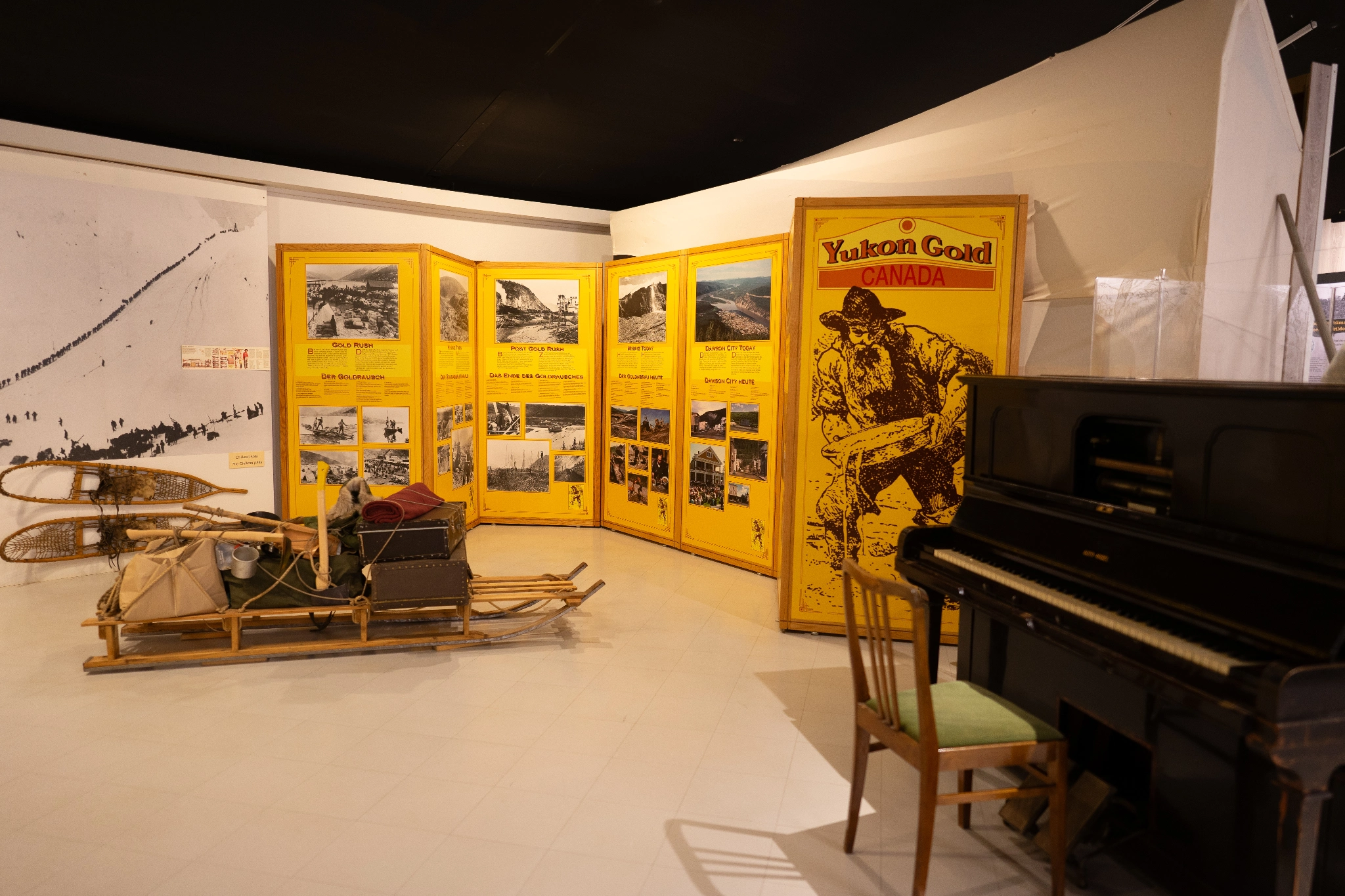
The quest for gold in Canada’s Yukon started in the 1870s and continues to the present day. Perhaps it is familiar to you from Donald Duck or from Jack London’s books.
This gold rush, which came to be of the largest ones in the world started from a casual finding. A man named George Carmack was fishing near the mouth of the Klondike River with some of his relatives, and they found gold at the Rabbit Creek. He staked the first claim in 1896 in a place that became famous by its name: Bonanza.
The way to Klondike was long and hard. In Chilcoot Pass, on the border between Canada and Alaska, the Canadian mounted police made sure that every traveller had 800 kilos of supplies. The ones who didn’t have enough were sent back. By the end of the century the Klondike Gold Rush was over. A town called Dawson City was founded in the gold fields. Along with tourism, mining is still a vital part of Dawson’s economy.
Alaska, USA
The quest for gold in Alaska began when unsuccessful miners left Klondike and moved westward. Alaska’s most famous deposit is centred on Nome, where three Swedish diggers found gold in 1897. By the next winter, there was a gold rush and Nome grew like a boomtown. By 1915 the deposits were exhausted. There is still no road to Nome; the only way to get there is by air.
Theme
