Loading...
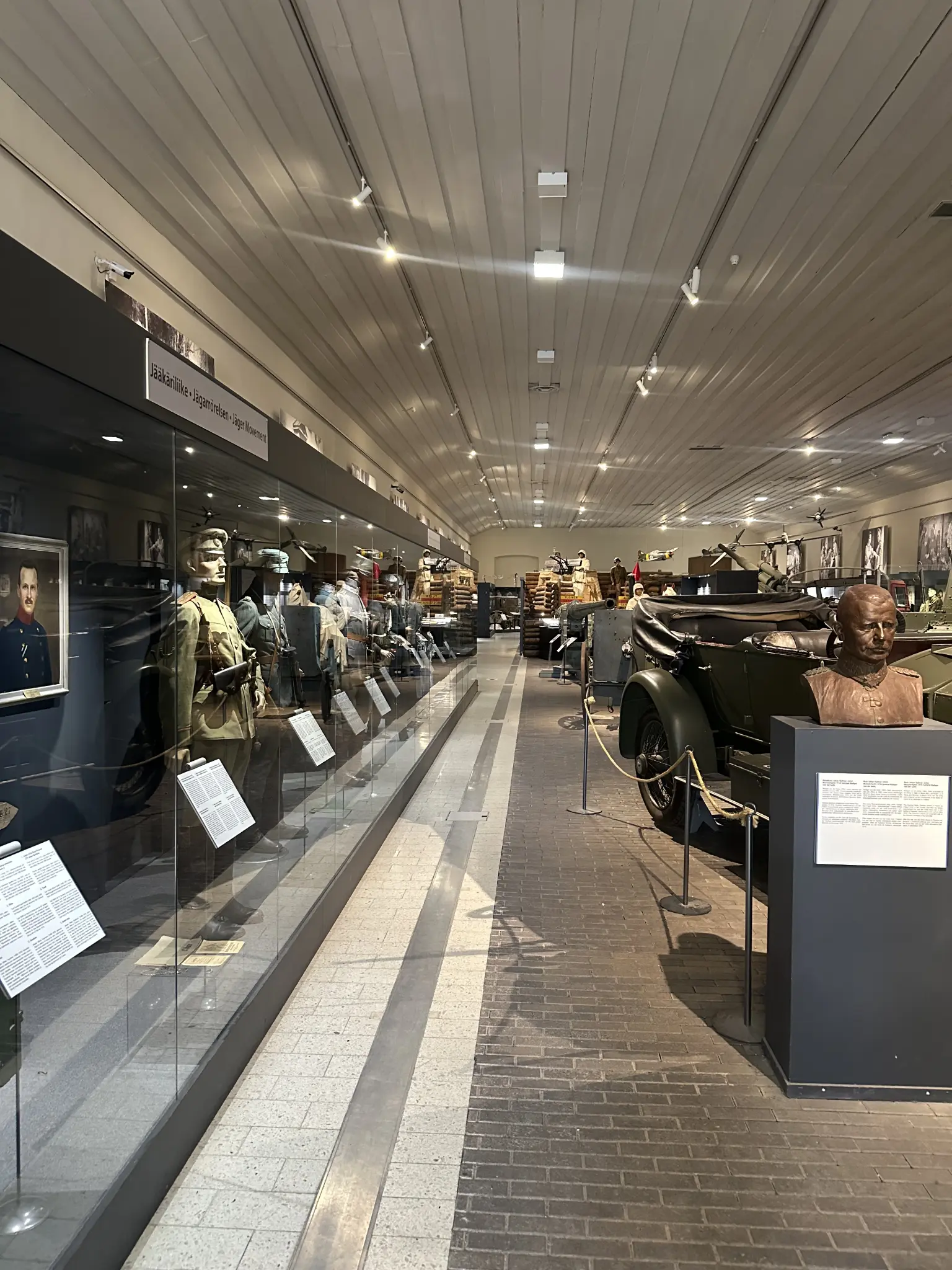
Civil War 1918

Civil War 1918
00:00
00:00
The parliament of Finland declared the country independent in December 1917, but becoming independent was overshadowed by the Russian troops who were still in the country and the intensified conflicts between the workers’ guards and the civil guards.
In January 1918 parliament approved the powers requested by the government for the creation of strong security forces. Lieutenant-General C. G. E. Mannerheim received authority to maintain order. Led by Lieutenant-General Mannerheim, the government troops began to disarm the Russian troops in Ostrobothnia on 28 January 1918. While the Red Guard took control of the most important centres of population in southern Finland, the Civil Guards seized the whole of northern Finland. In March the Whites began an offensive aimed at capturing Tampere. The fighting ended in defeat for the Reds. The battles on the Karelian Isthmus ended in defeat for the Reds, too, and Vyborg was captured by the Whites in April.
In March German troops arrived in the Åland Islands. In April Germany announced that it was sending troops to assist the Whites. The Germans landed at Hanko and at Loviisa and began to advance towards Helsinki and Lahti. The last Reds surrendered in the beginning of May. To mark the end of the war a great parade was organized in Helsinki on 16 May 1918.
Theme
