Loading...
Construction and Restorations

Construction and Restorations
Consecrated in 1107, the Cathedral of Saint Evasio stands on the remains of a paleochristian church. The current building began in the Romanesque period and is characterized by its five-nave layout and monumental atrium, a rare element in Italian sacred architecture. Over the centuries, the building underwent numerous changes: expansions, structural additions, and internal modifications that paralleled the development of Casale Monferrato's religious and civic life. A key moment was 1474, when the Cathedral was officially designated as such with the establishment of the Diocese.
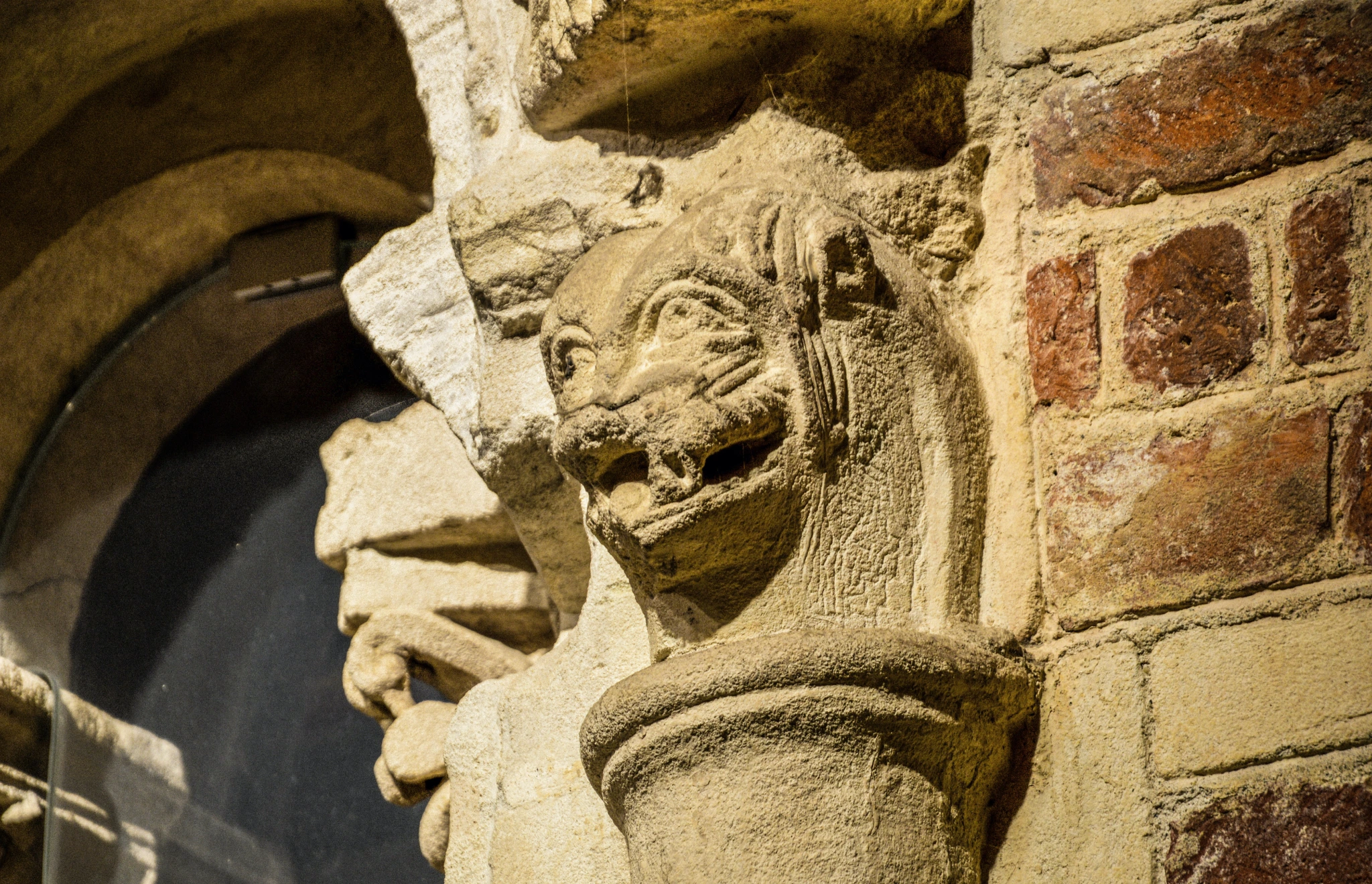
The building's current appearance largely results from an extensive 19th-century restoration project led by Edoardo Arborio Mella. His work aimed to recover the original Romanesque style, removing Baroque additions and reintegrating architectural elements inspired by medieval art. During these renovations, many floor mosaics, sculptures, and capitals were discovered and documented, now housed in the museum. The atrium, as seen today, was also redesigned and rebuilt based on paleochristian models, helping to restore a historical coherence to the Cathedral.

Theme
