Loading...
Welcome to Enontekiö!

Welcome to Enontekiö!
Enontekiö is home to Arctic life
In Enontekiö you can experience vast wilderness, rugged northern nature, charming villages, rich culture and an international atmosphere shaped by its border location. The air is clean, the waters are clear and there is plenty of space to breathe. When you move through Enontekiö, always keep in mind that even if the landscape looks empty it is full of life. For local people, nature is everything. Developing tourism in a sustainable way is essential for the region. Nature and sustainability also play a key role in the municipality strategy. Seventy percent of Enontekiö’s land area is protected. Remember that when you travel you are a guest in someone else’s home, so respect the local customs and the environment you visit.
Responsible hiking: Leave no trace
The beautiful landscapes of Enontekiö invite you outdoors and the possibilities for hiking are excellent. Explore the hiking areas in advance. Prefer marked trails, designated rest spots and existing service structures. This helps limit the wear to managed areas that can be maintained regularly. Staying on marked routes also reduces pressure on more sensitive terrain and gives wildlife peace. Treat all outdoor facilities with care, use firewood sparingly and take all your waste with you. By keeping nature clean, everyone can enjoy their time outdoors. Read more about waste free hiking and trail etiquette. Taking leftovers and game waste out of nature also helps protect the Arctic fox. See the link on Arctic fox conservation. Before setting out, read the rules and recent notices for your chosen destination, such as information on ongoing maintenance work.
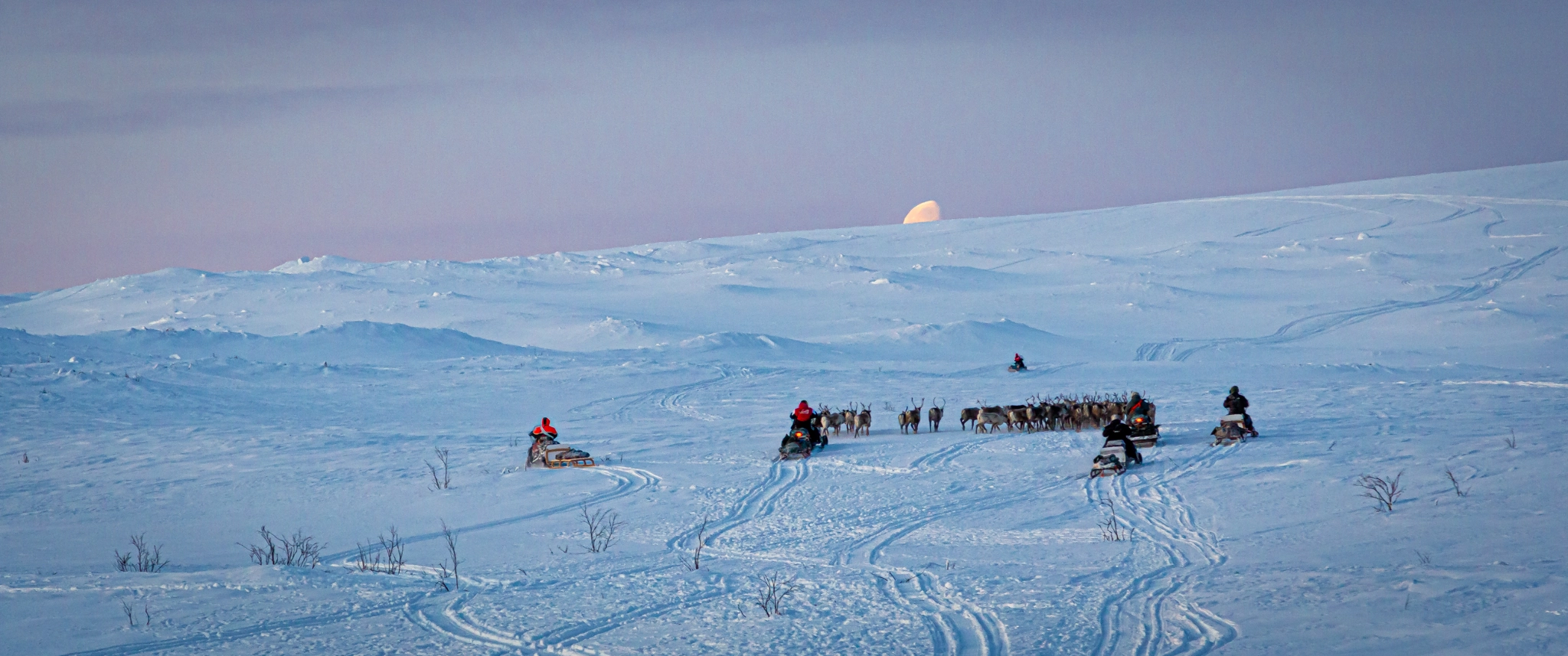
Enontekiö is a reindeer herding region
From a cultural and traditional perspective, the reindeer is invaluable. It provides livelihoods for many families and helps keep northern villages alive. In the reindeer herding area, reindeer are free to graze and herders may move around on motor vehicles while working.
Safety on the trail
Whether your hike lasts a few hours or several weeks, consider that weather in the fells can change quickly. Mobile coverage is often weak or nonexistent and help may take time to arrive. Pack enough warm clothing and food, along with a map and compass. It is also important to know your equipment and learn to use it before heading out. When planning a route, choose one that suits your level of fitness. If you are not used to moving in fell terrain, even a short route can be surprisingly demanding. Marked trails reduce the risk of getting lost and make it easier to get help than in the trackless wilderness. Always tell someone your plans before you go. If you are unsure of your skills or want to find the most impressive scenery, consider taking a guided tour offered by local experts.

Theme
