Archipelago stories


Archipelago stories
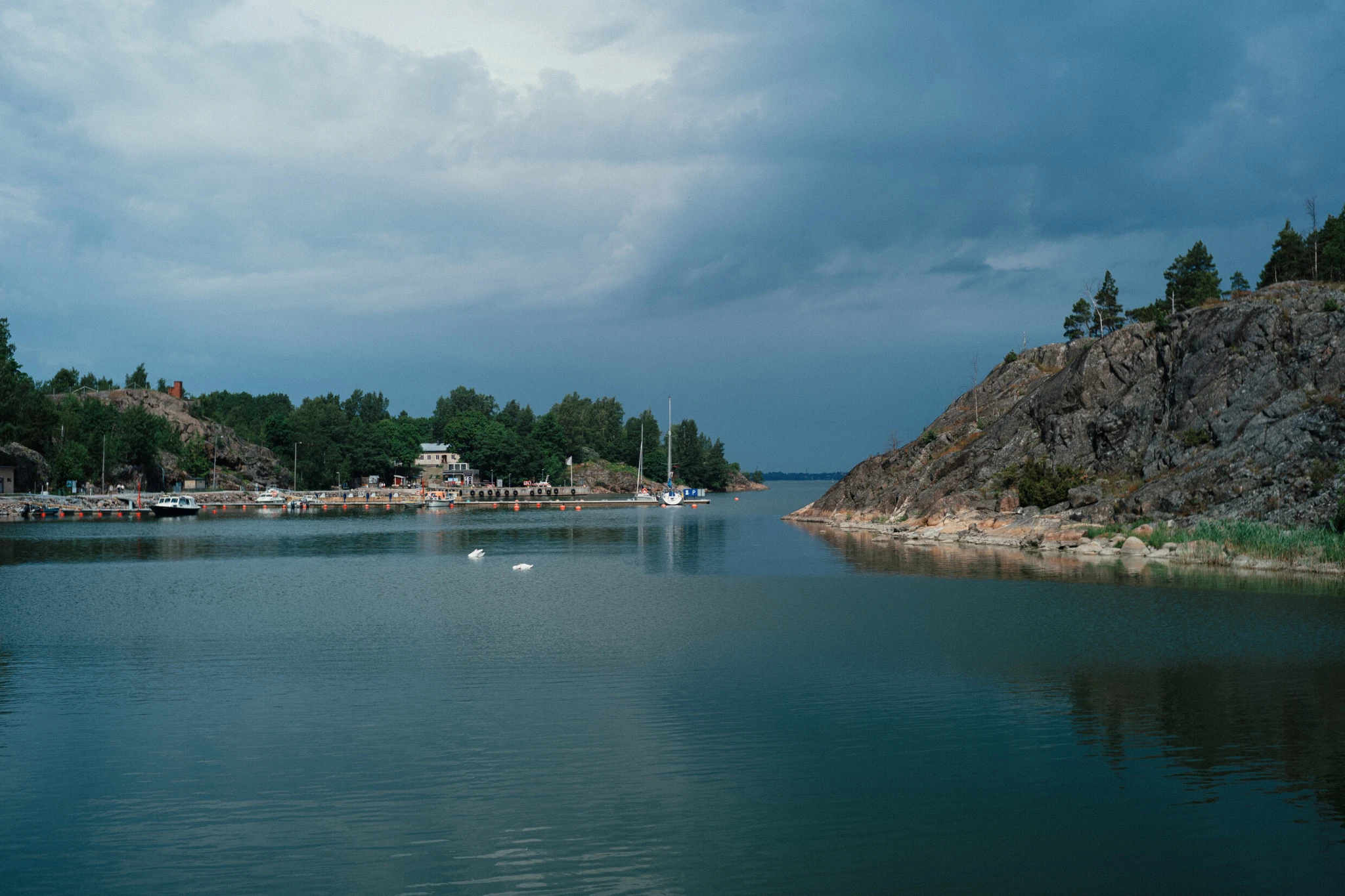
There are thousands of islands to the east as well as to the west of Helsinki. Our archipelago was formed during the last ice age. Masses of ice, as much as 2 kilometers thick, covered the land, and as it moved from the north to the south, it polished the cliffs and formed thousands of islands and islets. Many new islands have been formed as the earth rises. The Baltic Sea is a fairly young sea, only about 4,000 years old. There are no tides in the Gulf of Finland because it connects with the North Sea only through the narrow straits of Denmark. The salt content is so low that we do not have shrimp or mussels. There are about 60 different species of fish, the most common being perch, Baltic herring, salmon, and pike-perch. When the first inhabitants came to Finland after the ice age 9,000 years ago, they survived by fishing, hunting, and picking mushrooms and berries. In the beginning, people lived only in the coastal areas where they could catch beavers, seals, and elk. The most common wild animals in Finland are squirrels, elk, foxes, hedgehogs, and rabbits. The most dangerous wild animals are bears and wolves. Bears have been seen even close to Helsinki! The climate in Finland has changed quite a bit during the last years. In the north, we still have white winters, but here in the south, it is much warmer. During more normal winters, you can walk and skate on the ice and even drive your car from the mainland to Suomenlinna, but this requires temperatures well below zero for longer periods. During the summer, the temperature of the sea reaches up to 20 degrees celsius, which is already very pleasant for swimming. In Helsinki, the normal air temperature during the summer is 18 to 22 degrees celsius, and during the winter, the temperature can fall as low as negative 20 to negative 25 degrees celsius. The length of the day varies a lot from summer to winter. In Helsinki, we have only a few hours of daylight during the winter, but during the summer, the sun rises as early as 4 am and does not set until 11 pm. However, in Lapland, the sun does not rise at all during the winter, while it does not set below the horizon during the summer!