Loading...
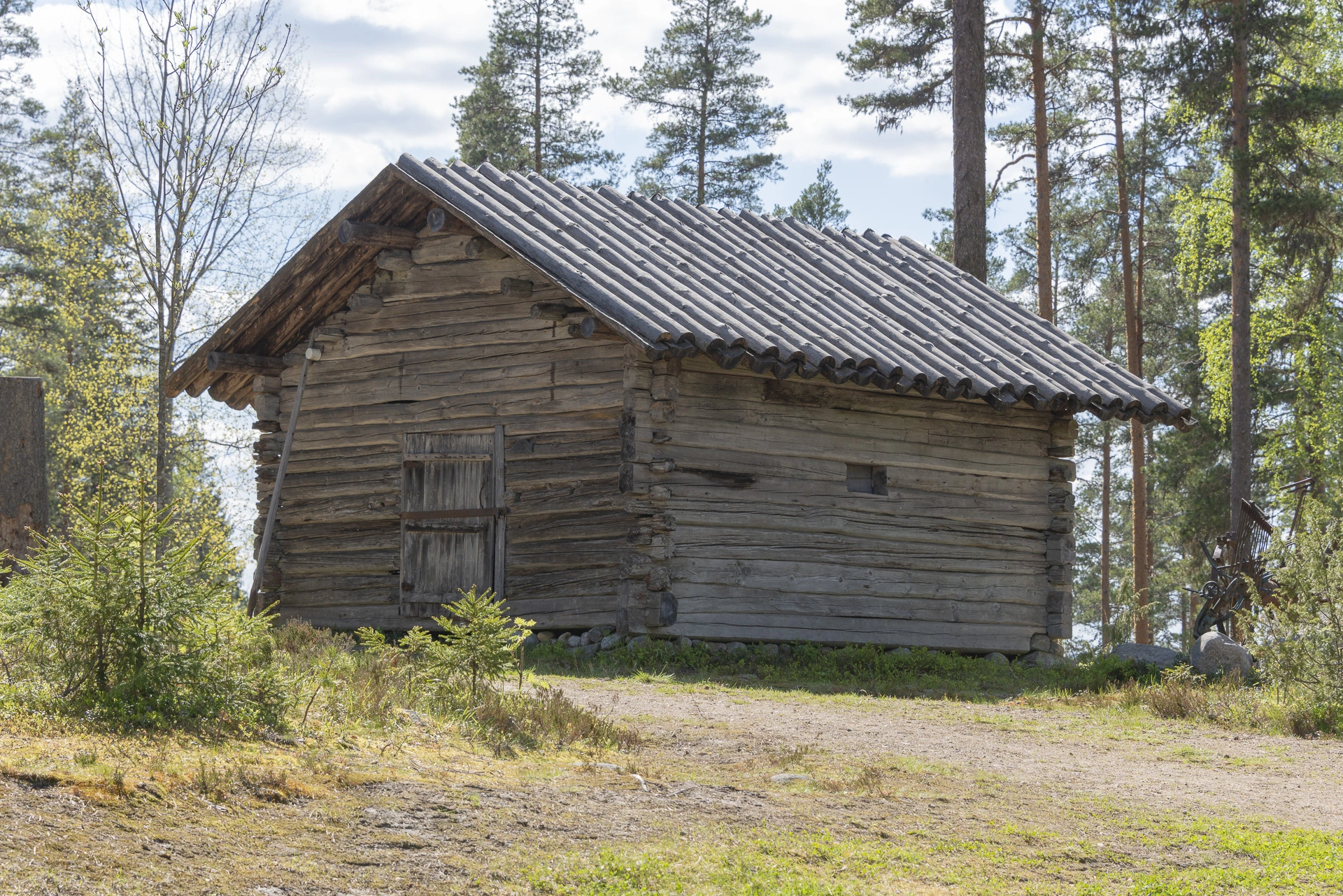
The Smithy

The Smithy
The use of metals was known in Finland from early on. The Finnish Iron Age began around 500 BCE. Iron was extracted from lake ore (limonite), found near bodies of water, and was refined in small bloomeries. The first larger blast furnaces were developed in the 17th century. Lake ore remained an important raw material until the early 20th century, when mining became more profitable due to the use of modern explosives.
Iron was a valuable material. It was not always available locally and often had to be purchased from towns, where tightly regulated trade was centralized. Iron was primarily used to make axe and knife blades, shovel and spear tips, as well as sickles and scythes. It was also used for making cooking vessels, parts for various items, and even jewelry.
Every rural village and larger farm typically had its own smithy, where tools were made and repaired. Hinges, nails, and other metal components for wooden structures were also forged there.
The smithy includes bellows that blow air to intensify the heat in the charcoal fire. When the iron reaches a glowing red temperature, it can be hammered on an anvil. Forging gives the item its desired shape and alters the properties of the material. The tools in a smithy include a variety of instruments such as anvils, hammers, and wooden blocks. Working in a smithy required skill, which was passed down from father to son and from one generation to the next, during times when formal vocational training did not yet exist.
The museum’s smithy was originally built at the “Jussila” farm in the village of “Töhkerönmäki,” located in the southeastern part of Konnevesi, probably in the 18th century. The building features a newly constructed wooden trough roof made from carved logs placed facing one another — an example of traditional roofing methods displayed at the museum. Inside the smithy, you can see original tools and typical iron items once produced there.
Your feedback is important
Did you enjoy this information?

Theme
