Loading...
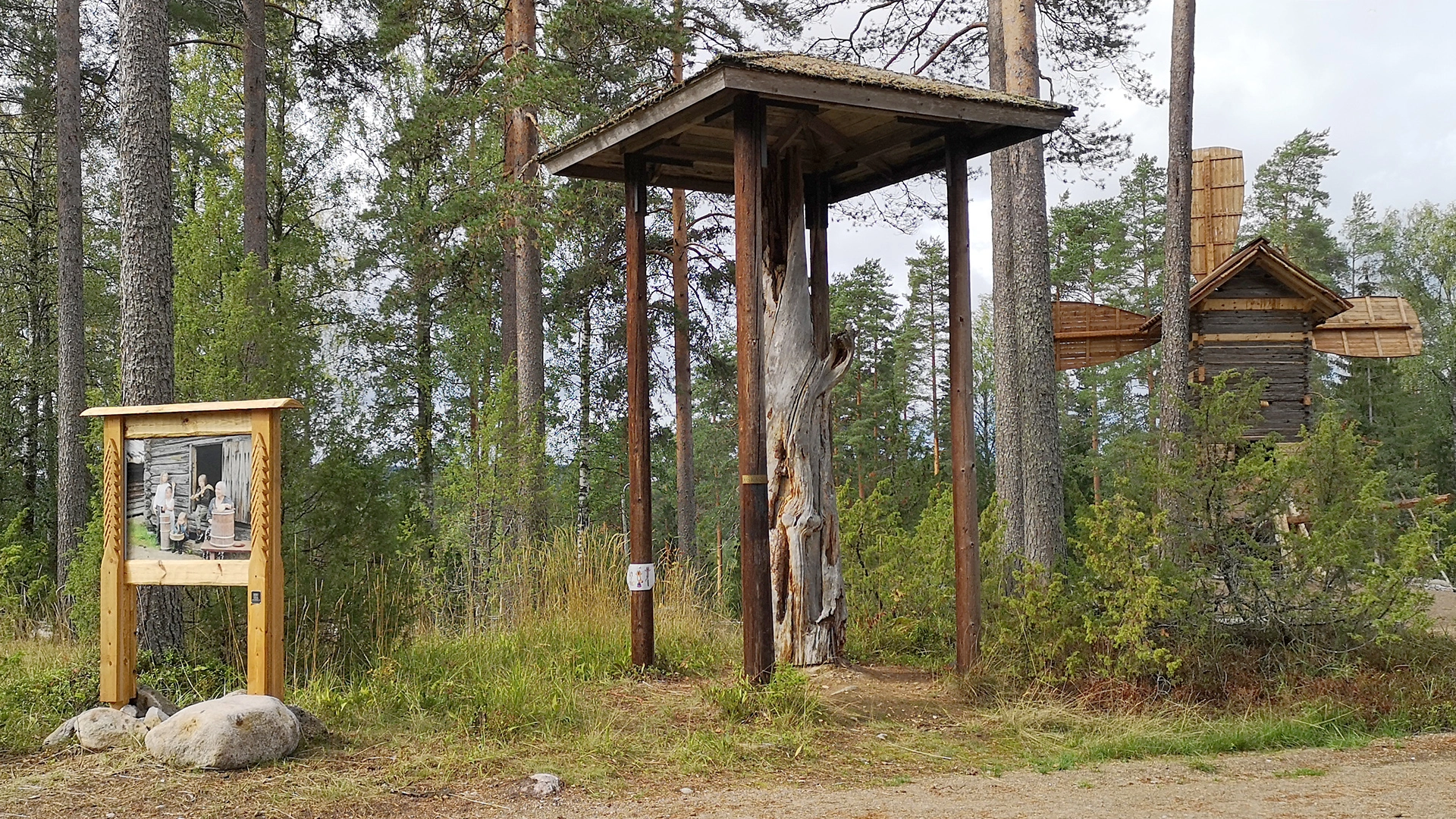
The "Karsikkopuu"

The "Karsikkopuu"
“Karsikko” is an old tradition. It refers to a mark made on a tree or stone to commemorate a deceased person. The bark of the tree was carved away, and on the exposed surface the name of the deceased, their personal symbol, or their birth and death dates could be engraved. The mark could also be made on a separate piece of wood, which was then attached to a tree along the route between the deceased’s home and the cemetery. On the last journey of the deceased, people would stop at this spot to perform various rituals, possibly magic rites, and to take shots of spirits. The karsikko was a feared place, and it was forbidden to stop there after dark. It was believed that the dead might roam the area restlessly and behave violently.
The practice originated with the spread of Christianity. The religion taught resurrection, and people began to fear the return of the dead to their homes. The purpose of the karsikko was to remind the risen from the grave that they were dead. This tradition was common in the eastern provinces of Finland and was also observed in eastern parts of Estonia.
The marks on the karsikko could slowly disappear as the tree’s bark grew back. In the Konnevesi region, the deceased were taken east to the cemetery in Rautalampi. The journey was made by boat. In spring and autumn, there could be periods when the trip was impossible due to weather conditions. At such times, the deceased might be buried temporarily, awaiting their final burial. Lake “Etelä-Konnevesi” is the route to Rautalampi. Along the way is an island called “Pohjois-Lanstu,” from which the museum’s karsikko tree was brought. In the smoke sauna “Tuomisto,” there is a karsikko made for a person named Tahvo Rossi on a plank.
Your feedback is important
Did you enjoy this information?

Theme
