Loading...
Drawer
Drawer
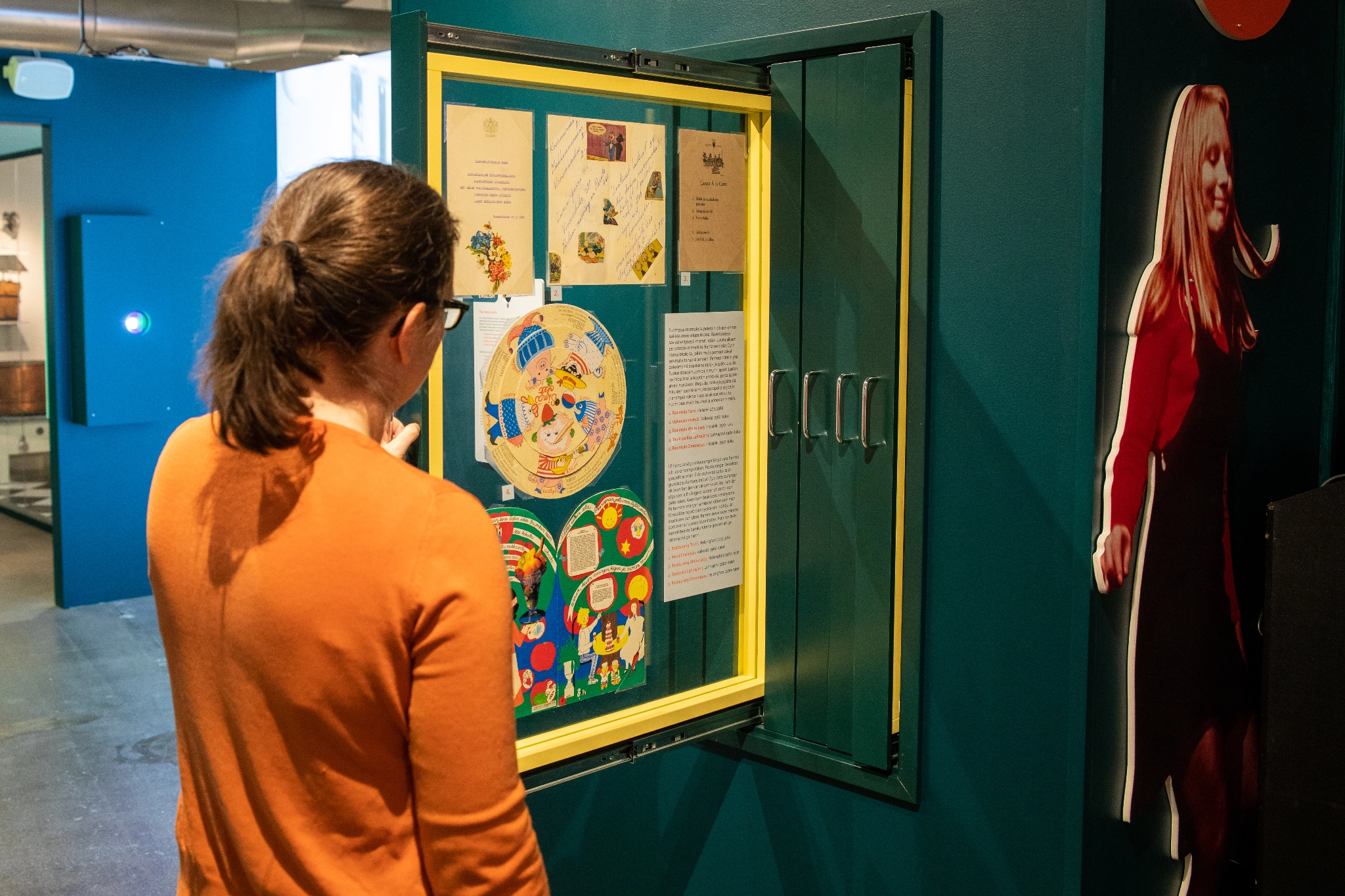
In the drawers are food and drink menus from the collections of the Hotel and Restaurant Museum.
Drawer 1: In Finland, restaurant menus were written in French for a long time. In the early 1900s, most restaurant customers still spoke Swedish as their first language. À la carte menus at that time used French, Swedish, Finnish, and Russian. Menus often featured Swedish alongside French, and from the 1920s onwards, Finnish appeared more frequently.
Menus in the drawer:
Restaurant Oopperakellari, Helsinki, 1907
Hotel Kämp, Helsinki, 1900–1910s
Restaurant Esplanadikappeli, Helsinki, 1927
Hotel Seurahuone, Helsinki, 1910s
Drawer 2:
Menus in the drawer:
Café menus from the 1930s–1960s
Fazer, Helsinki, 13 August 1968
Nissen, Vaasa, 1950s
English Tearoom, Helsinki, 1930s–1960s
Primula, Helsinki, 1950s
Drawer 3: In the late 1800s, the upper class enjoyed wines and other alcoholic beverages in fine hotels and restaurants. Selections were varied and drink lists were long. After Prohibition, only the State Alcohol Company could import alcohol, and hotels and restaurants purchased their drinks from it. With Finland’s EU membership, alcohol imports were liberalized. Beer and wine became more available and popular, which was also reflected in restaurant menus.
Menus in the drawer:
Imatra State Hotel, 1890s
William K., Helsinki, 1990s
Hamburger Börs, Turku, 1980s
Drawer 4: A menu card lists the dishes served at a meal and sometimes the program. It is created for a single special occasion. In the 1800s, a new serving style was adopted, where dishes were served one at a time in the order listed on the menu card. A banquet table typically had three courses and between eight and twelve dishes. Over time, the number of courses was reduced to four or five.
Menus in the drawer:
Pori, 4 November 1895
Pori, 4 November 1895
Hotel Seurahuone, Vyborg, 21 April 1897
Hotel Kämp, Helsinki, 24 May 1888
Hotel Kämp, Helsinki, 24 May 1888
Restaurant Oopperakellari, Helsinki, 12 February 1898
14 December 1889
Hotel Seurahuone, Helsinki, 26 April 1900
Restaurant Kaivohuone, Helsinki, 12 July 1902
Drawer 5: For a long time, restaurants in Finland were seen mainly as places serving alcohol, and customers were primarily men. From the 1960s onwards, beer restaurants such as those run by Kantaravintolat Oy welcomed families to dine. Families became increasingly important customers in the 1970s and 1980s. Menus began to include dishes for children, typically foods thought to be child-friendly such as meatballs, sausages, and ice cream. Popular adult dishes were also offered in smaller portions for children. Sometimes, children’s meals were given playful names.
Menus in the drawer:
Restaurant Torni, Helsinki, 27 March 1966
Valkeala Motel, Valkeala, 1960s
Restaurant White Lady, Helsinki, 1970s
Taukopaikka Lahnajärvi, Lahnajärvi, 1980s
Restaurant Omenapuu, Helsinki, 1990s
Drawer 6: During the war, the Ministry of Supply oversaw food rationing in restaurants. Restaurants were required to follow the Ministry of Supply Cookbook, which specified the exact size and contents of each dish.
Menus in the drawer:
Imatra State Hotel, Imatra, 1940s
Imatra State Hotel, Imatra, 1940s
Restaurant Klaus Kurki, Helsinki, 12 November 1942
Imatra State Hotel, 30 July 1945
Ministry of Supply, HT 138, Group 2, 23 May 1945
Hotel Pohjanhovi, Rovaniemi, 3 August 1947
Hotel Aulanko, Hämeenlinna, 3 July 1948
Drawer 7: The first pizzerias in Finland were opened in the 1960s. Pizza, introduced by Italian restaurateurs, quickly spread everywhere. Many different types of restaurants have a pizza menu alongside their regular menu. Pizza can be served in fine dining restaurants, family restaurants, or even at service stations.
Menus in the drawer:
Pizzeria Muskotti, Pori, 1970s
TelePizza, Helsinki, 1990s
Restaurant Varras, Helsinki, 1980s
Fat Lizard, Espoo & Helsinki, 2010s
Your feedback is important
Did you enjoy this information?
Theme
