Loading...
Neituri Canal

Neituri Canal
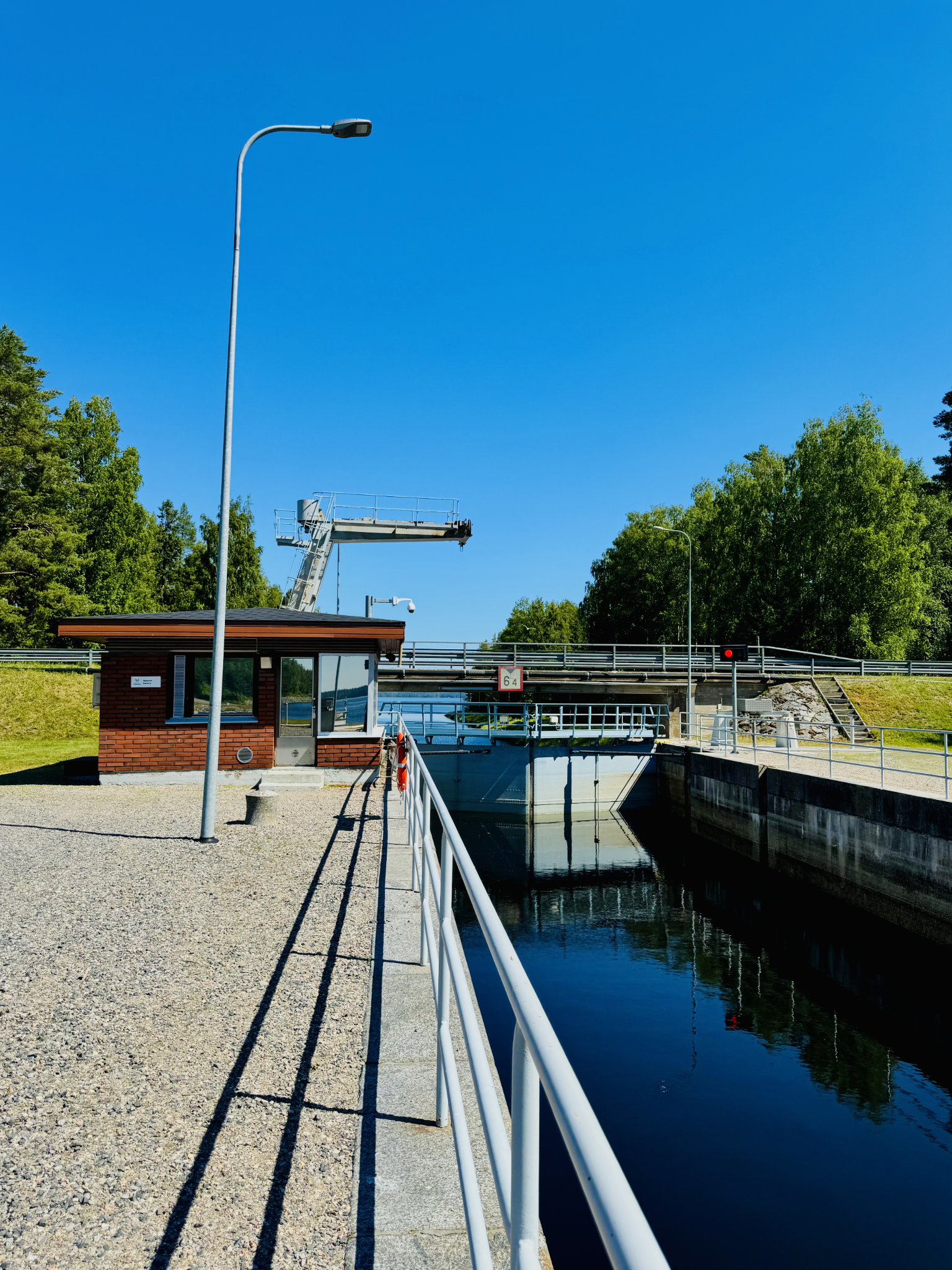
The Neituri Canal was constructed between 1918 and 1927 as part of the Kymijoki headwaters’ timber transport system. The canal cuts through a kilometre-wide and several-kilometre-long isthmus, forming a 15-metre-wide and 2.4-metre-deep waterway between Lakes Keitele and Northern Konnevesi. The elevation difference between the lakes is about four metres.
Plans for the canal date back to the 1880s, but construction did not begin until 1918 due to funding challenges and the First World War. When completed, the canal became a vital link in the region’s timber-floating route. In the 1930s and 1940s, more than a thousand lock operations were made each year in both directions, and the growing use of bundled log floating further increased traffic in the 1960s.
As road and rail transport developed, the importance of waterways declined. Even the completion of the Keitele–Päijänne Canal in 1994 could not restore timber transport to its former levels. In 2002, the final log rafts – totalling 13,500 cubic metres of wood – passed through Neituri. Today, recreational boaters travel between lakes using the self-service lock.
During the construction era, Neituri was a lively settlement – so much so that it was sometimes called “the town of Neituri”. The Temi sawmill on the Vesanto side employed up to 150 workers at its peak. Today, the Neituri Canal stands as a monument to the age when wood travelled by water, steam whistles echoed through the forests, and life revolved around the waterways of central Finland.
Address
Your feedback is important
Did you enjoy this information?

Theme
