Loading...
Pohja Insurance Company and Elonvara Insurance Company

Pohja Insurance Company and Elonvara Insurance Company

Detta innehåll är inte tillgängligt på Swedish.
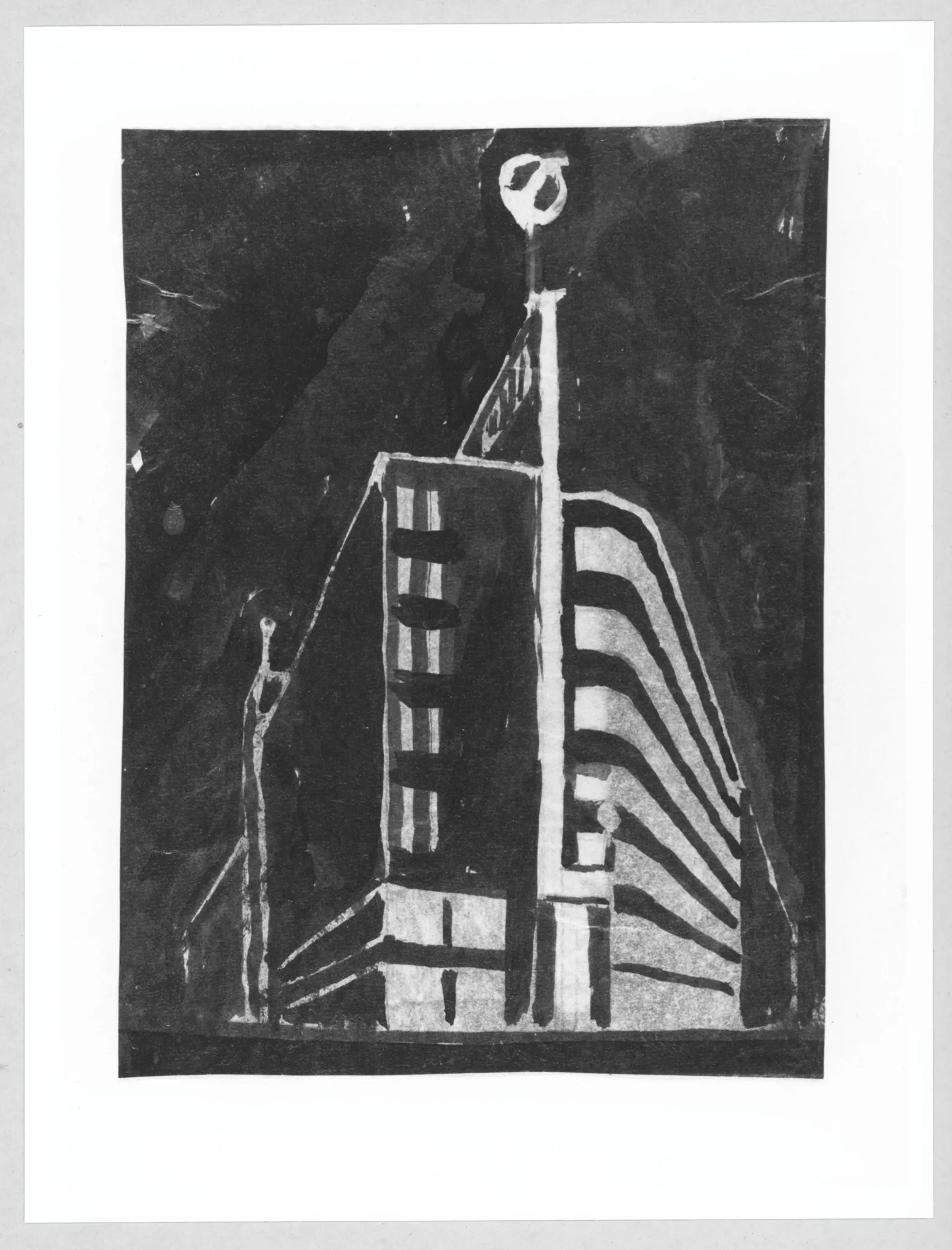
In 1928, Pohja Life Insurance Company and the Elonvara Pension Institution organised a double competition for office buildings to be constructed on opposite, wedge-shaped plots. The two buildings, looking diagonally toward one another, form part of the development of commercial architecture in which functionalist architecture gradually displaced classicism.
Yrjö Lindegren, known as one of the architects of the Olympic Stadium, designed Elonvara’s strikingly rising office building, characterised by horizontal mouldings and upright brick pillars. Pohja’s office building, designed by the reform-minded Oiva Kallio, is considered one of the earliest examples of functionalism in Finland. This unusual building represents an early form of Finnish functionalism. The features of the new style appear cautiously: instead of free composition, the line of ribbon windows is interrupted. At the same time, traces of classicism can still be recognised in the building’s ornaments and mouldings. When completed, the Pohja building stood out dramatically from its surroundings. Even within the divided competition jury, supporters of functionalism and classicism struggled against one another.
Walking from the Pohja office building toward the National Theatre, you can see the former headquarters of SOK, now a hotel. The building shows that Oiva Kallio was also well versed in historical styles. This Renaissance-style revival castle was the result of a joint competition victory by the Kallio brothers — Oiva Sakari Kallio and Kauno Sankari Kallio. Yet stylistic differences emerged even within the same family: the reform-minded Oiva moved toward modernism during his career, while Kauno Kallio developed skilful restoration plans for historic buildings.
Your feedback is important
Did you enjoy this information?
Tema
