Loading...
National Museum
National Museum

Detta innehåll är inte tillgängligt på Swedish.
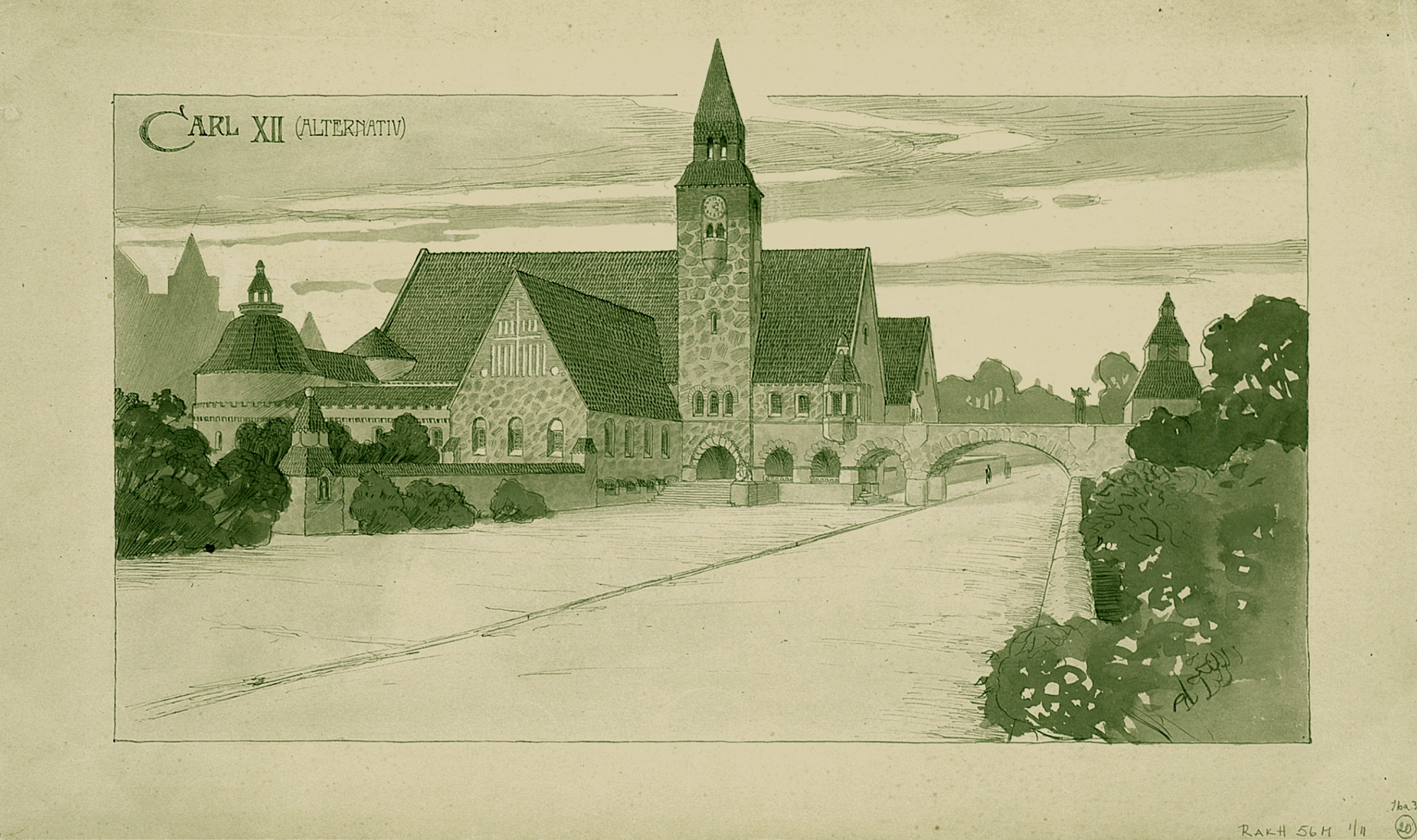
The design of the National Museum began under the shadow of the Russian period of oppression. A talented young trio rose to implement this project that sought to strengthen national feeling: already before turning 30, Herman Gesellius, Armas Lindgren, and Eliel Saarinen had gathered prizes in several important competitions. The Finnish Pavilion at the 1900 Paris World’s Fair, for example, was important for a Grand Duchy striving toward independence. At the height of the success generated by the World’s Fair, Gesellius, Lindgren, and Saarinen were selected as winners of the National Museum competition in 1902.
The competition for an archaeological, historical, and ethnographic museum was not a given. Through newspaper writings and a pamphlet, a protest movement led by Armas Lindgren pressured the organisers into holding a competition. Onni Törnqvist — the Finnish-minded designer of the recently opened National Theatre — sat on the jury. Other members included J. R. Aspelin, state archaeologist and museum expert.
In addition to nationalism, another key factor in the competition was the new approach to designing a museum building itself. The winning proposal was a romantic collage assembled from historical motifs. In accordance with museum architecture at the turn of the 19th and 20th centuries, the different parts of the building reflect the collections displayed within them. For example, the section devoted to church art resembles a medieval Finnish stone church in its exterior form. The museum opens around a central core as wings corresponding to different collections.
Several competitions have been held for an extension to the National Museum. The project finally moved from design to implementation when the most recent extension competition was resolved in 2019. JKMM Architects’ proposal “Atlas” is also a metaphorical journey through time: a building sunk underground, burrowing into the earth, like a view into the layers of history. Through its materials and forms, the proposal seeks to emphasise our shared cultural heritage — just as Gesellius, Lindgren, and Saarinen did in the main building more than 100 years earlier. The confident style of the castle-like main building and its clearly representational decorative motifs speak of a need for national self-expression. The core stories of a Finland moving toward independence were carved into the rough granite of the National Museum.
Your feedback is important
Did you enjoy this information?
Tema
